Stump grinding restores curb appeal, removes hazards, and protects your yard from pests. Free tree services estimates in Edgewater and surrounding Maryland areas.
How Stump Removal Boosts Property Value and Safety in Maryland
When a tree comes down, the job often feels finished.
- The canopy is gone
- The logs are hauled away
- The yard looks open again
But the stump left behind is not a harmless leftover.
Over time, it can quietly work against your property’s appearance, safety, and value, and it tends to become harder and more expensive to deal with the longer it stays.
This guide explains:
- What a leftover stump actually costs you
- How removing it supports both safety and property value
- What to consider before scheduling the work
The right approach depends on your specific site, so an on-site evaluation matters more than any general rule.
Why a Leftover Stump Works Against Your Property
A stump may look like a minor detail, but it affects how a property reads to visitors, neighbors, and potential buyers.
In real estate, first impressions carry real weight, and a stump signals a yard that has not been fully finished or maintained.
That perception can follow through to an appraisal or an offer.
There are a few consistent reasons a stump becomes a liability rather than a leftover:
It looks unfinished
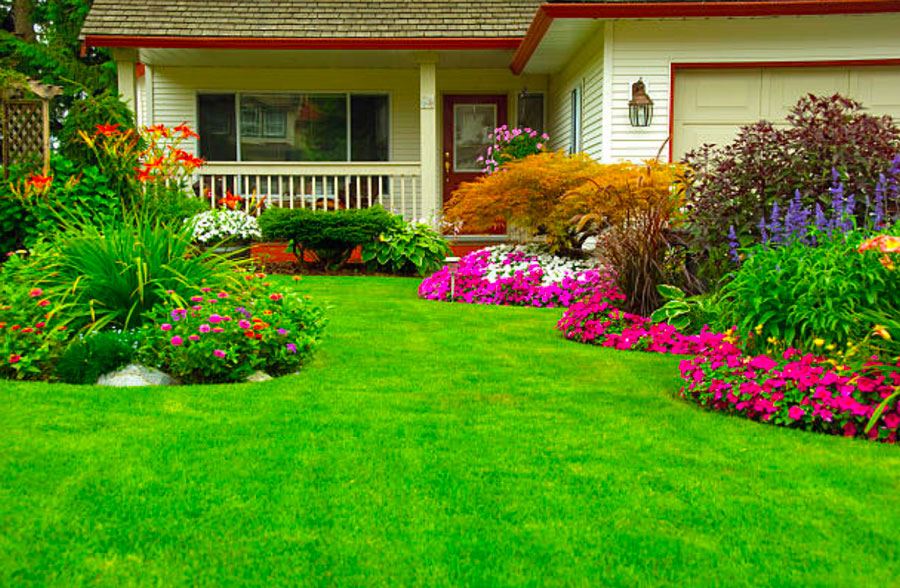
A clear, open lawn reads as cared-for.
A stump sitting in the middle of it reads as neglect, even when the rest of the property is well maintained.
It becomes a safety hazard
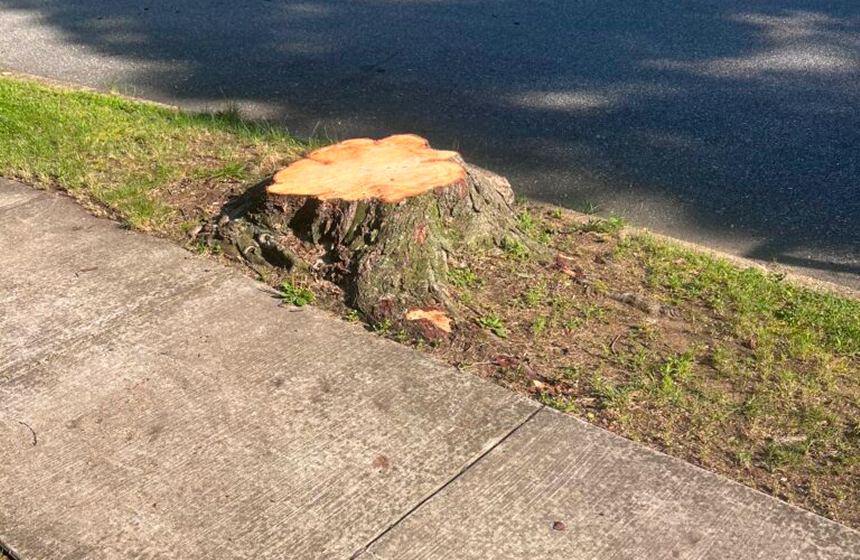
Low stumps hidden by grass are easy to trip over, especially for children, older adults, and anyone moving through the yard in low light.
They can also damage mower blades and cause dangerous kickback during routine lawn care.
It attracts pests
As the wood decays, it becomes an ideal home for:
- Termites
- Carpenter ants
- Wood-boring beetles
- Rodents
Some of these pests can move from the stump toward nearby healthy trees or the wooden parts of your home.
It can sprout regrowth
Many tree species send up new shoots or suckers from a leftover stump.
These are unsightly, compete with nearby plants for nutrients, and are more difficult and costly to remove once established.
It takes up usable space
A stump in the wrong spot can block a:
- New patio
- Garden bed
- Walkway
- Planting area
Limiting what you can do with your yard.
How Stump Removal Supports Property Value
The financial case for removing a stump is straightforward.
Landscaping and curb appeal are among the improvements that tend to return well when a property is sold, and a clean, usable yard is easier to market than one with visible obstacles.
Removing a stump helps property value in practical ways:
It restores curb appeal
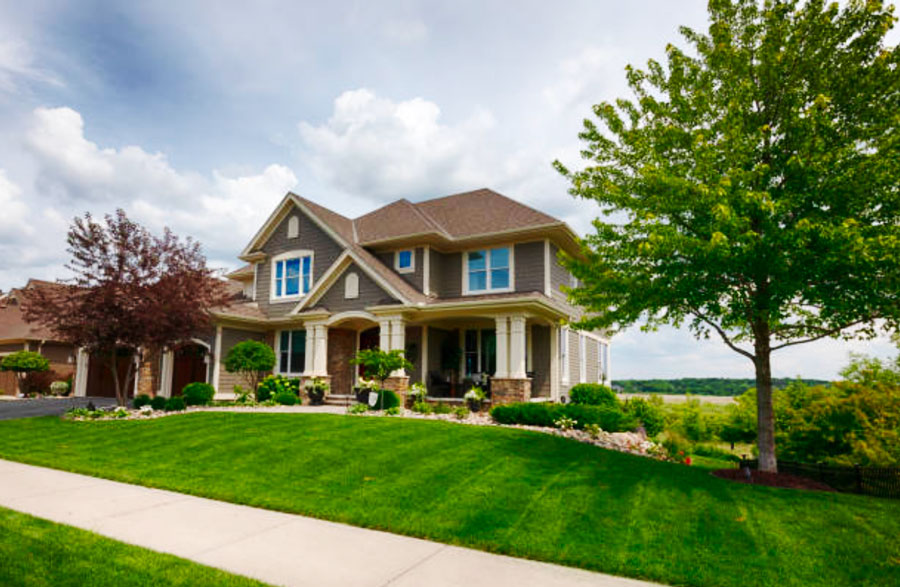
A finished, open landscape presents better in listing photos and in person.
Buyers are quick to read visible maintenance issues as signs of hidden problems, and a stump can invite lower offers or requests to have it removed before closing.
It reclaims usable square footage
Once the stump is gone, the space can hold a:
- Patio
- Garden
- Play area
- New planting
Functional outdoor space is a selling point, and reclaiming it makes the property more flexible for the next owner.
It removes a source of future cost
A stump left to decay can lead to:
- Pest treatment
- Regrowth removal
- Root-related damage down the line
Clearing it early protects against those expenses and the appraisal deductions that visible problems can trigger.
How Stump Removal Improves Safety
Safety is often the more immediate reason to schedule the work, particularly on properties with children, pets, or frequent foot traffic.
A ground-level stump hidden in the grass is one of the easier ways to twist an ankle in your own yard.
During mowing, an unseen stump or surface root can:
- Dull or bend a blade
- Cause kickback
- Send debris flying
Removing the stump takes that risk off the table and makes routine maintenance simpler and safer.
The pest issue is a safety and property-protection concern as well. Termites and carpenter ants drawn to decaying wood do not always stay in the stump.
Once established, they can migrate toward healthy trees or your home’s structure, where the damage becomes far more expensive to address.
Removing the decaying wood removes the attractant.
Stump Grinding vs Full Stump Removal
Property owners sometimes use “stump removal” to mean two different things, and the distinction matters.
Stump grinding
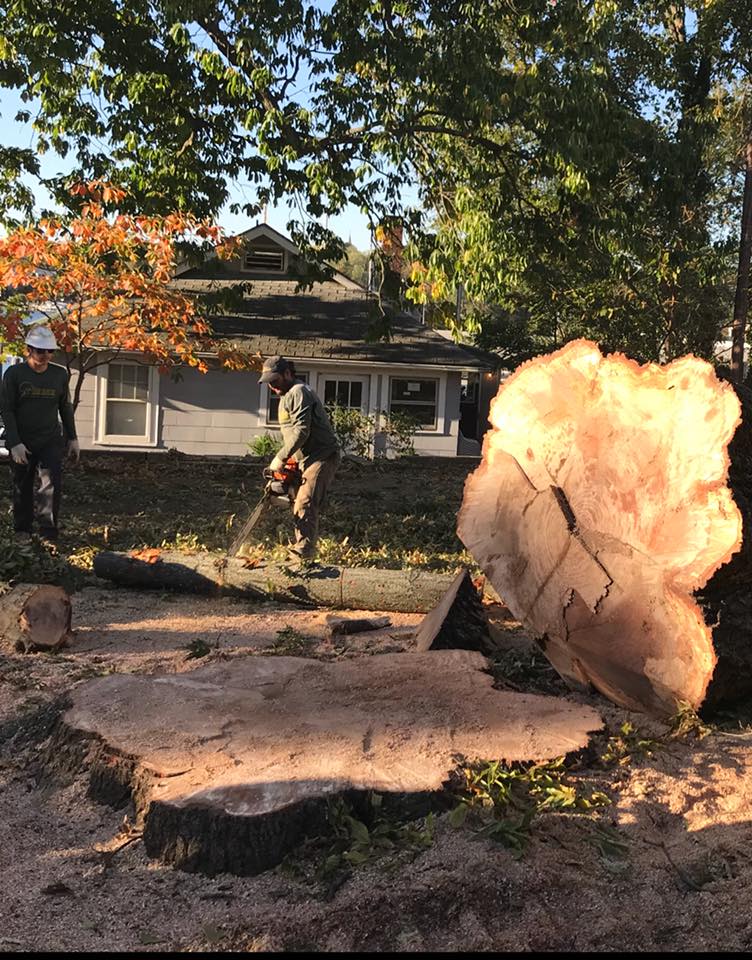
Uses specialized equipment to grind the stump down below ground level, eliminating the visible wood and preparing the area for lawn restoration, planting, or hardscaping. The remaining roots are left in the soil to decay naturally over time. Grinding is generally faster, less disruptive to surrounding soil and landscaping, and the more common choice for most residential and commercial properties.
Full stump removal
Involves digging out the entire stump along with its root system. It is more labor-intensive and more disruptive to the surrounding ground, and it is typically reserved for situations where the roots themselves need to come out.
What to Expect From a Professional Stump Grinding Project
At Recinos, we keep the process clear and focused on protecting the rest of your property:
On-site evaluation
We assess the stump’s size, location, root system, and the surrounding structures, utilities, and landscaping to determine the safest approach and give you a clear scope and timeframe.
Precision grinding
Using professional-grade equipment, we grind the stump below ground level to remove the visible wood and reduce the chance of regrowth.
Cleanup and restoration
We remove excess debris and wood chips, or leave the mulch on site if you prefer, so the area is ready for sod, seed, or new planting.
When Stump Removal Connects to Larger Property Work
Stump grinding is often the last step in a tree removal, but it can also be the first step in improving an outdoor space. Once a stump is gone, the reclaimed area is a natural place for landscaping or hardscaping work, whether that is a new garden bed, a patio, or a clean stretch of lawn.
On larger properties, stump grinding frequently follows lot clearing, where multiple stumps remain after a clearing project. If you’re searching for land clearing services in Edgewater or the surrounding Anne Arundel County area, grinding the leftover stumps is usually part of preparing the site for its next use.
And if the stump is all that remains after a difficult or storm-damaged removal, our tree removal services in Edgewater and across Maryland can address both the tree and the stump together.
Questions to Ask Before Hiring a Stump Removal Company in Maryland
If you’re comparing providers, a few questions help you understand what you’re getting:
- Is the company licensed and insured? Recinos is licensed and insured, with Maryland Licensed Tree Expert oversight.
- Will they grind below ground level, and how deep, based on what you plan to do with the space?
- How will they protect surrounding grass, driveways, utilities, and structures?
- What happens to the wood chips and debris afterward?
- Can stump grinding be scheduled together with tree removal or clearing to reduce disruption?
Schedule a Free Tree Service Estimate
If you have a stump that’s become an eyesore, a hazard, or simply an obstacle to the yard you want, removing it is usually simpler than it looks and pays off in both safety and appearance.
Whether you searched for a tree service near me or you already know exactly which stump needs to go, our team can evaluate the site and recommend the right approach.
Since 2010, Recinos Landscaping & Tree Service has provided professional tree and stump services for residential and commercial properties across Anne Arundel County, the Eastern Shore, and surrounding Maryland areas, with thorough cleanup and careful attention to the property around every job.
Call 410-858-3537 or request a free estimate to get started. Emergency calls are accepted anytime.
Every property is different. The right approach for a stump depends on its size, location, root system, surrounding structures, and your plans for the space, which is why an on-site evaluation comes first.
Frequently Asked Questions about how tree stump removal can increase property value and improve safety
What are the benefits of removing a tree stump?
Removing a stump improves your property in several ways at once. It restores a clean, finished look that supports curb appeal and property value, eliminates a common tripping hazard, removes a magnet for termites and other wood-decaying pests, prevents unsightly regrowth, and frees up usable space for planting, a patio, or an open lawn. It also makes routine mowing and landscaping safer and simpler.
How does removing tree stumps protect the environment?
A decaying stump can become a source of pests and fungal disease that spread to nearby healthy trees and plants. Removing or grinding it helps limit that spread and protects the surrounding landscape. Professional stump grinding also lets you reclaim the space for new planting, and the wood chips left behind can be reused as mulch rather than hauled off as waste.
What are the benefits of tree removal?
When a tree is dead, diseased, storm-damaged, or growing too close to a structure, removing it reduces the risk of falling limbs, protects your home’s foundation from aggressive roots, and improves sunlight and airflow around the property. In those cases, removal also protects property value by eliminating a liability. A healthy, well-placed tree usually adds value, so removal is best reserved for trees that pose a genuine problem, which is exactly what an on-site evaluation helps determine.
Why shouldn’t you leave a tree stump in the ground?
A leftover stump is more than an eyesore. It can sprout new growth that’s difficult and costly to remove, attract termites and carpenter ants that may migrate toward your home, create a tripping and mowing hazard, and make a yard look neglected to visitors and potential buyers. These problems tend to get worse the longer the stump stays, so addressing it early is usually easier and less expensive.
What are common mistakes after tree stump removal?
The most common ones are leaving the ground uneven or unfilled, not addressing the leftover wood chips and root debris, and planting a new tree in the exact same spot too soon, before the old roots have decayed. Skipping soil restoration can also leave a low or bare patch in the lawn. A professional grinding project includes cleanup and preparing the area for sod, seed, or new planting so the space is actually ready to use.
Is stump remover bad for the environment?
Chemical stump removers, which are typically potassium-nitrate-based products used to speed up rotting, can affect surrounding soil and nearby plants if used improperly, and they work slowly. Mechanical stump grinding avoids those chemicals entirely: it removes the stump physically and leaves behind wood chips that can be reused as mulch. For most properties, grinding is the cleaner, faster, and more predictable option.
What is the best time of year to remove a stump?
Stump grinding can be done year-round in Maryland, but many property owners prefer to schedule it right after a tree removal so the whole project is finished in one visit. Late fall through early spring, when the ground is workable and landscaping activity is lower, is often convenient, and it sets the yard up for spring planting or restoration. The best timing ultimately depends on your site conditions and what you plan to do with the space afterward