Maryland homeowners are no strangers to severe weather. From powerful thunderstorms and tropical storms to the remnants of Atlantic hurricanes, storm season can bring high winds, heavy rain, flooding, and unexpected property damage. While many homeowners focus on securing windows, stocking emergency supplies, and preparing generators, one critical aspect of storm readiness is often overlooked, tree safety.
Trees add beauty, shade, and value to a property, but during hurricane and storm season, damaged or weakened trees can quickly become serious hazards. Falling branches, uprooted trees, and storm-damaged limbs can threaten homes, vehicles, power lines, and personal safety.
This is why investing in a professional emergency tree service in Maryland is one of the smartest decisions homeowners can make before, during, and after severe weather events. Fast response and expert tree care can help minimize risks, protect property, and restore safety when storms strike.
Understanding Maryland’s Storm Risks
Maryland’s location along the East Coast makes it vulnerable to a variety of severe weather conditions throughout the year. While hurricanes typically occur between June and November, strong thunderstorms, nor’easters, and windstorms can happen at any time.
Common weather-related tree hazards include:
- Falling tree limbs
- Split or cracked trunks
- Uprooted trees
- Trees leaning dangerously after storms
- Broken branches hanging overhead
- Trees impacting roofs, fences, and driveways
- Fallen trees blocking roads or access points
Even healthy-looking trees can suffer significant structural damage during severe weather. That’s why homeowners should never underestimate the importance of professional tree inspections and emergency response services.
Why Trees Become Dangerous During Hurricanes and Storms
Strong winds and saturated soil create the perfect conditions for tree failures. During a storm, trees face intense stress from multiple directions.
High Winds Increase Structural Pressure
Wind gusts can cause large branches to snap or entire trees to fall. Trees with weak branch unions, internal decay, or previous storm damage are especially vulnerable.
Saturated Soil Weakens Root Systems
Heavy rainfall often softens the ground around trees. When roots lose their grip on the soil, even mature trees can topple unexpectedly.
Existing Tree Defects Become Worse
Small cracks, cavities, and diseased sections may not seem significant during normal conditions. However, storms can rapidly worsen these issues, leading to sudden tree failure.
Homeowners who schedule preventive inspections and emergency tree service in Maryland can often identify risks before they become costly emergencies.
The Immediate Dangers of Storm-Damaged Trees
After a major storm passes, the danger may not be over. Many storm-damaged trees remain unstable and can fail without warning.
Potential risks include:
- Roof damage
- Vehicle damage
- Power outages
- Injuries to family members
- Blocked driveways and entrances
- Damage to neighboring properties
- Fire hazards from damaged utility lines
Attempting to handle storm-damaged trees without professional equipment can be extremely dangerous. Trees under tension can shift unexpectedly, and branches may fall with little warning.
Professional arborists are trained to safely assess and clear hazardous trees while minimizing additional damage.
Why Emergency Tree Service Matters During Storm Season
Storm damage requires immediate attention. Waiting too long can increase safety risks and repair costs.
Rapid Hazard Removal
One of the biggest benefits of hiring an emergency tree service in Maryland is quick response when dangerous situations arise. Professionals can clear fallen trees, restore blocked access points, and eliminate immediate hazards before they worsen.
Preventing Further Property Damage
A partially fallen tree may continue shifting after a storm. Fast intervention helps prevent additional damage to structures, landscaping, and utility systems.
Safe Cleanup Procedures
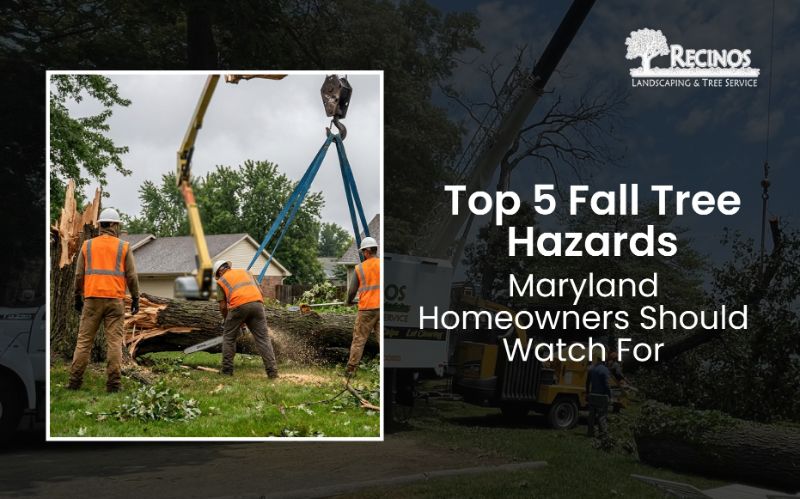
Emergency tree service following a storm often involves working near damaged structures, power lines, and unstable branches. Professional crews use specialized equipment and safety procedures to handle these situations efficiently.
Restoring Access to Your Property
Fallen trees can block driveways, sidewalks, and roads. Emergency crews help restore safe access for homeowners, emergency responders, and utility workers.
Common Emergency Tree Situations Maryland Homeowners Face
Not every tree emergency looks the same. Understanding the most common scenarios can help homeowners recognize when professional assistance is needed.
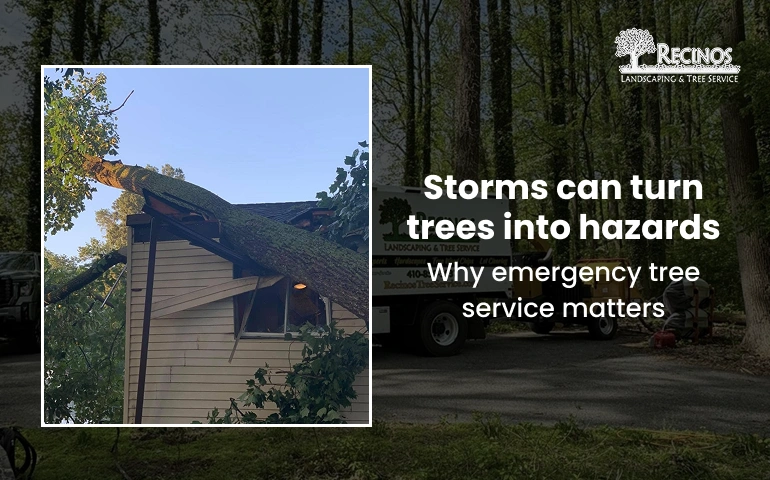
Trees Fallen on Homes
A tree resting on a roof can compromise structural integrity and create safety hazards. Immediate assessment and professional tree service are essential to prevent further damage.
Trees on Power Lines
Storm-damaged trees frequently impact utility lines. Homeowners should never approach trees touching electrical equipment and should contact professionals immediately.
Hanging or Broken Limbs
Large branches suspended overhead may appear stable but can fall at any moment. These “widow makers” are among the most dangerous post-storm hazards.
Leaning Trees
Trees that suddenly begin leaning after a storm may have compromised root systems and require prompt evaluation.
Uprooted Trees
Even if an uprooted tree has not fallen completely, it may be unstable and pose a serious threat to nearby structures.
In these situations, an experienced emergency tree service in Maryland can quickly determine the safest course of action.
The Role of Tree Services After Severe Storms
While some storm-damaged trees can be saved through corrective pruning, others require complete clearing.
Professional tree services are often necessary when:
- Trees have extensive trunk damage
- Root systems are severely compromised
- Trees pose ongoing structural risks
- Large limbs have broken away
- Significant decay is discovered after the storm
Professional tree service requires proper planning, equipment, and expertise. Attempting DIY tree work can result in injuries or additional property damage.
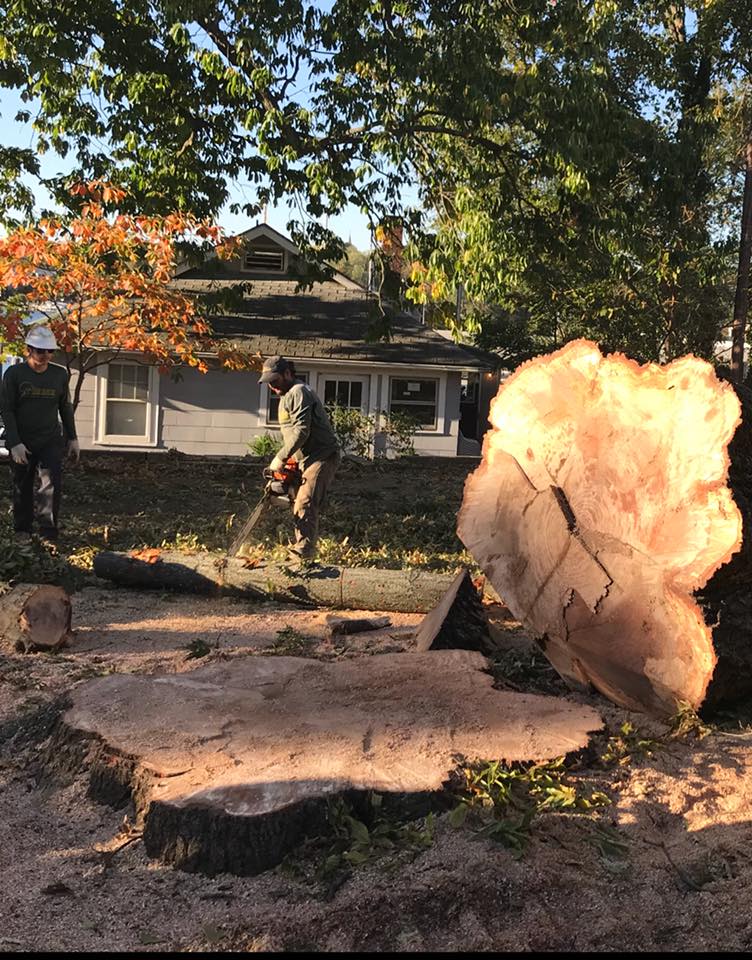
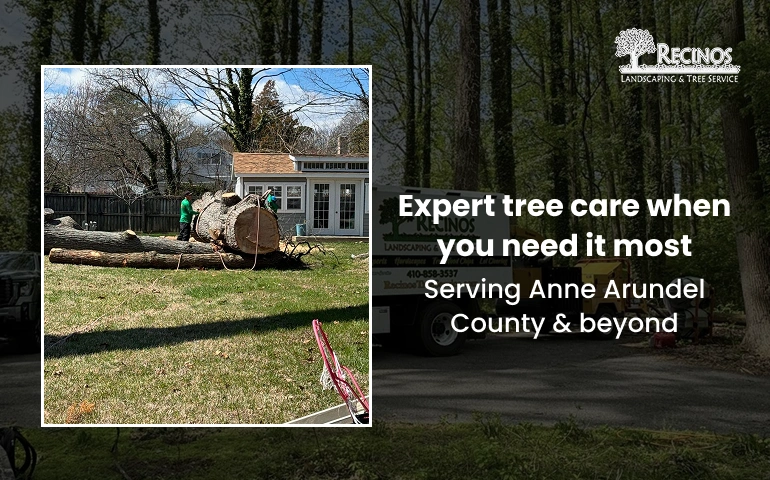
Qualified crews can safely dismantle trees, remove debris, and prepare the site for future landscaping improvements.
How Preventive Tree Care Reduces Emergency Risks
The best emergency is the one that never happens. Preventive maintenance significantly reduces storm-related tree failures.
Regular Tree Inspections
Professional inspections can identify:
- Dead branches
- Structural weaknesses
- Disease symptoms
- Pest infestations
- Root damage
- Potential storm vulnerabilities
Strategic Tree Pruning
Proper pruning helps reduce wind resistance and removes weak or overextended branches before storms arrive.
Dead Tree Management
Dead trees are highly susceptible to failure during severe weather. Proactively addressing them protects nearby structures and people.
Cabling and Bracing
In some cases, arborists can install support systems to strengthen vulnerable trees and reduce storm damage risks.
Working with an emergency tree service in Maryland before storm season begins can help homeowners address potential hazards early.
Signs You Need Emergency Tree Assistance Immediately
After a storm, homeowners should inspect their property from a safe distance and watch for warning signs.
Contact a professional immediately if you notice:
- Large branches hanging overhead
- A tree leaning more than usual
- Cracks in the trunk
- Exposed roots
- Trees resting on structures
- Branches tangled in power lines
- Splitting or shifting sounds from trees
- Blocked access routes
Prompt action can prevent a manageable situation from becoming a major emergency.
Why Professional Equipment Makes a Difference
Storm-damaged trees often require specialized tools and machinery for safe clearing.
Professional crews commonly utilize:
- Bucket trucks
- Cranes
- Rigging systems
- Chainsaws
- Wood chippers
- Stump grinding equipment
- Safety harnesses and climbing gear
These resources allow technicians to safely handle complex tree service situations that would be impossible or dangerous for homeowners.
Hiring a reputable emergency tree service in Maryland ensures the work is completed efficiently while protecting both people and property.
Insurance Considerations After Tree Damage
Many homeowners are surprised to learn that tree-related storm damage may be covered under their homeowner’s insurance policy.
Documentation is important when filing a claim.
Homeowners should:
- Take photographs of the damage.
- Contact their insurance provider promptly.
- Avoid removing evidence unless necessary for safety.
- Keep records of cleanup and repair costs.
- Work with licensed professionals who can provide detailed documentation.
Many tree care companies also assist homeowners by providing estimates and information that support insurance claims.
Choosing the Right Emergency Tree Service Provider
Not all tree service companies are equipped to handle storm emergencies.
When selecting a provider, look for:
24/7 Emergency Availability
Storm damage can occur at any hour. When searching for an emergency tree service near me, choose a company that offers around-the-clock emergency response.
Licensed and Insured Professionals
Proper licensing and insurance help protect homeowners from liability during tree service operations.
Experienced Arborists
Certified professionals can accurately assess tree health and determine whether clearing or preservation is the best solution.
Modern Equipment
Companies with advanced equipment can complete projects more safely and efficiently.
Strong Local Reputation
Reviews, referrals, and community reputation can provide valuable insight into service quality.
An experienced local tree service understands Maryland’s weather patterns, tree species, and the unique challenges homeowners face during storm season.
Preparing Your Property Before the Next Storm
Storm preparedness should begin long before severe weather appears in the forecast.
Consider these proactive steps:
- Schedule annual tree inspections
- Address dead or diseased trees
- Prune weak branches
- Monitor tree health throughout the year
- Address drainage issues around root systems
- Keep emergency contact information readily available
- Create a storm preparedness plan for your property
These measures can significantly reduce storm-related risks and improve overall property safety.
Conclusion
Hurricane and storm season can create serious challenges for Maryland homeowners, especially when trees become damaged or unstable. High winds, heavy rainfall, and saturated soil can quickly turn even healthy-looking trees into dangerous hazards capable of causing significant property damage and personal injury.
Whether it’s clearing fallen trees, addressing dangerous limbs, restoring property access, or preventing further damage, professional emergency tree service in Maryland plays a vital role in protecting homes and families during severe weather events. Combined with routine inspections, proactive maintenance, and professional tree services, emergency response solutions help homeowners stay prepared for whatever storm season brings.
By taking tree safety seriously and partnering with experienced professionals, Maryland homeowners can face hurricane season with greater confidence, knowing their property is better protected against the unpredictable forces of nature.
Professional Tree Care You Can Count On
When storm damage, hazardous trees, or overgrown branches threaten your property, we are here to help. At Recinos Landscaping & Tree Service, we provide dependable tree services in Edgewater and surrounding communities with a strong commitment to safety, quality workmanship, and customer satisfaction. As a family-owned company with decades of experience, we handle everything from tree trimming and pruning to storm damage cleanup and emergency response services.
Whether you need routine tree maintenance or immediate assistance after severe weather, our skilled team has the equipment and expertise to get the job done right. We proudly serve residential and commercial property owners throughout Anne Arundel County, Eastern Shore & Surrounding Areas, helping keep properties safe, healthy, and beautiful year-round.
If you’re searching for “tree service near me”, trust our experienced professionals to deliver prompt, reliable, and affordable solutions tailored to your needs. From hazardous tree work to complete property cleanup, we’re ready to help.
Contact us today for a free estimate and discover why homeowners and businesses trust Recinos Landscaping & Tree Service for expert tree care throughout Maryland.
Frequently Asked Questions
1. What qualifies as an emergency tree service?
An emergency tree service is needed when a tree or large branch poses an immediate safety risk due to storm damage, high winds, lightning strikes, or structural failure. Common emergencies include trees falling on homes, blocking driveways, or interfering with power lines.
2. How quickly should a storm-damaged tree be addressed?
A storm-damaged tree should be assessed and cleared as soon as possible if it threatens people, structures, vehicles, or utility lines. Delaying professional tree service can increase the risk of further property damage and safety hazards.
3. When should I call an emergency tree service in Maryland?
You should contact an emergency tree service in Maryland immediately if a tree has fallen on your property, is leaning dangerously after a storm, has large hanging branches, or is affecting power lines and access routes.
4. Does homeowners insurance cover storm-related tree service?
In many cases, homeowners insurance may cover emergency tree service costs if the tree falls due to a covered event, such as a hurricane, windstorm, or lightning strike, and damages an insured structure. Coverage varies by policy, so it’s important to check with your insurance provider.
5. Can a tree survive after hurricane or storm damage?
Some trees can recover with proper pruning and care, depending on the extent of the damage. A certified arborist can evaluate the tree’s condition and determine whether it can be saved or if professional tree service is the safer option.
6. What are the warning signs that a tree may fall during a storm?
Common warning signs include dead or hanging branches, trunk cracks, visible decay, exposed roots, hollow sections, fungal growth, and a noticeable lean. Regular inspections can help identify these issues before severe weather arrives.
7. How do professional tree services handle fallen trees safely?
Professional tree services use specialized equipment such as cranes, bucket trucks, chainsaws, and rigging systems to safely clear fallen or hazardous trees while minimizing additional damage to surrounding property.